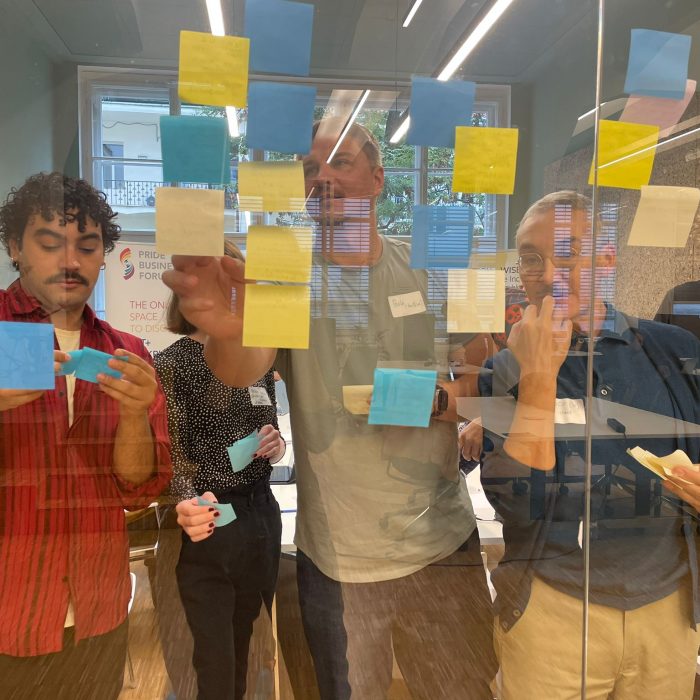


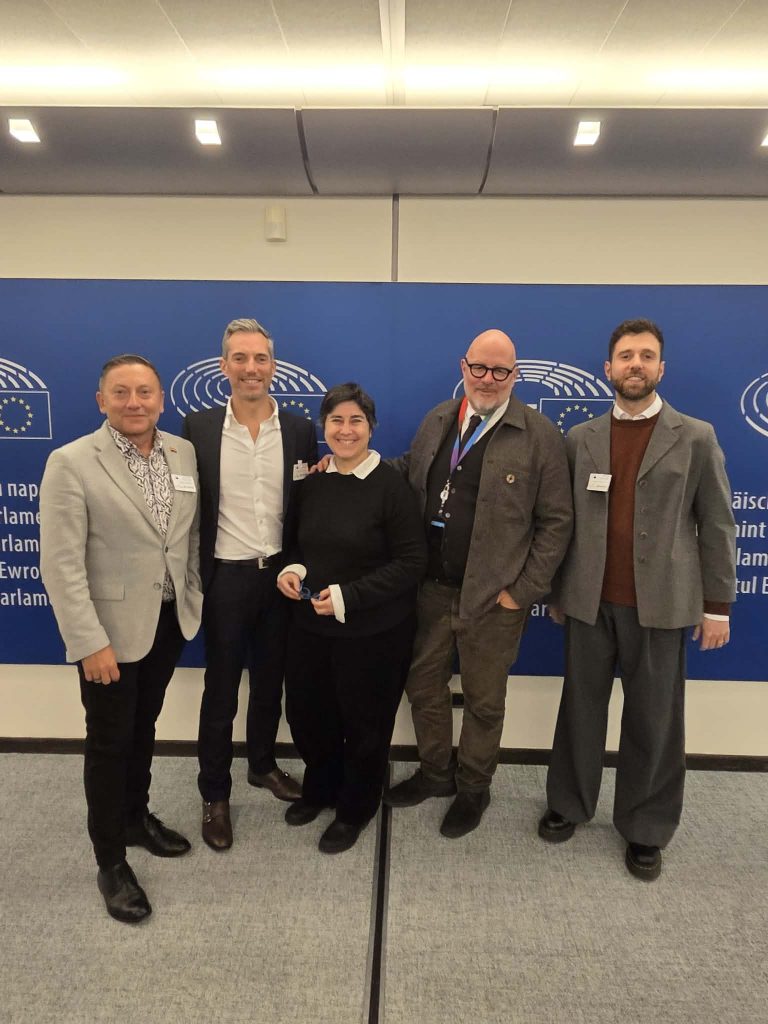
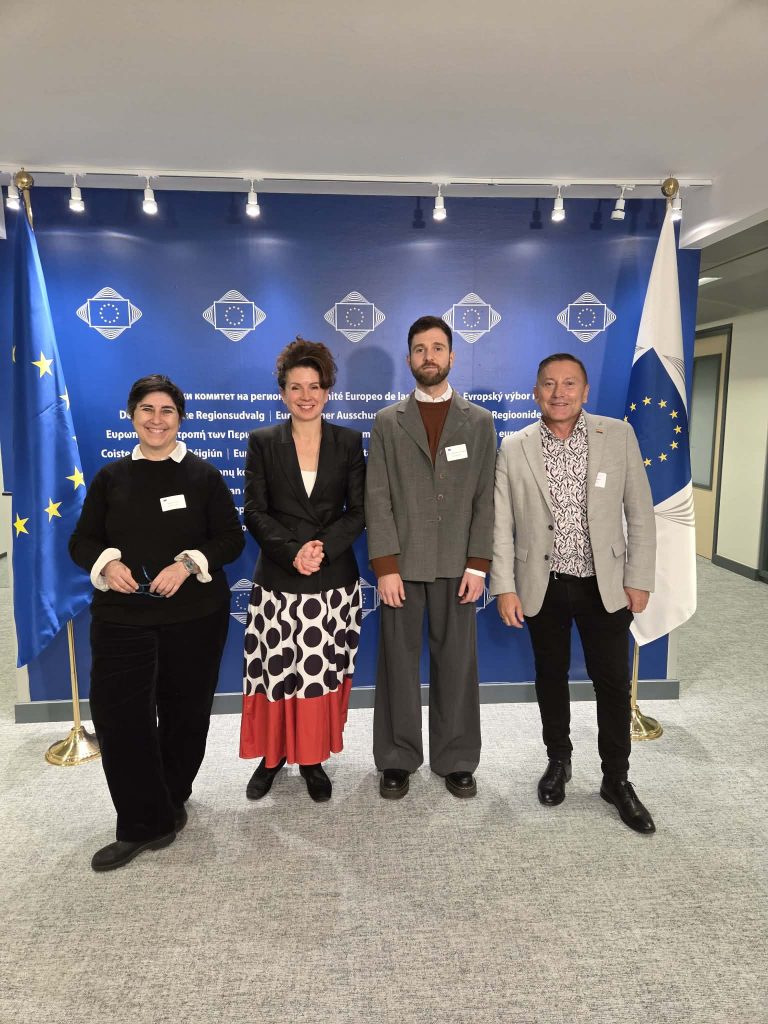
From the corridors of the European Parliament to the offices of global industry leaders, the European Pride Business Network (EPBN) recently concluded a high-stakes institutional visit to Brussels. The mission: to bridge the gap between high-level policy and the daily reality of millions of LGBTIQ+ workers across the Union.
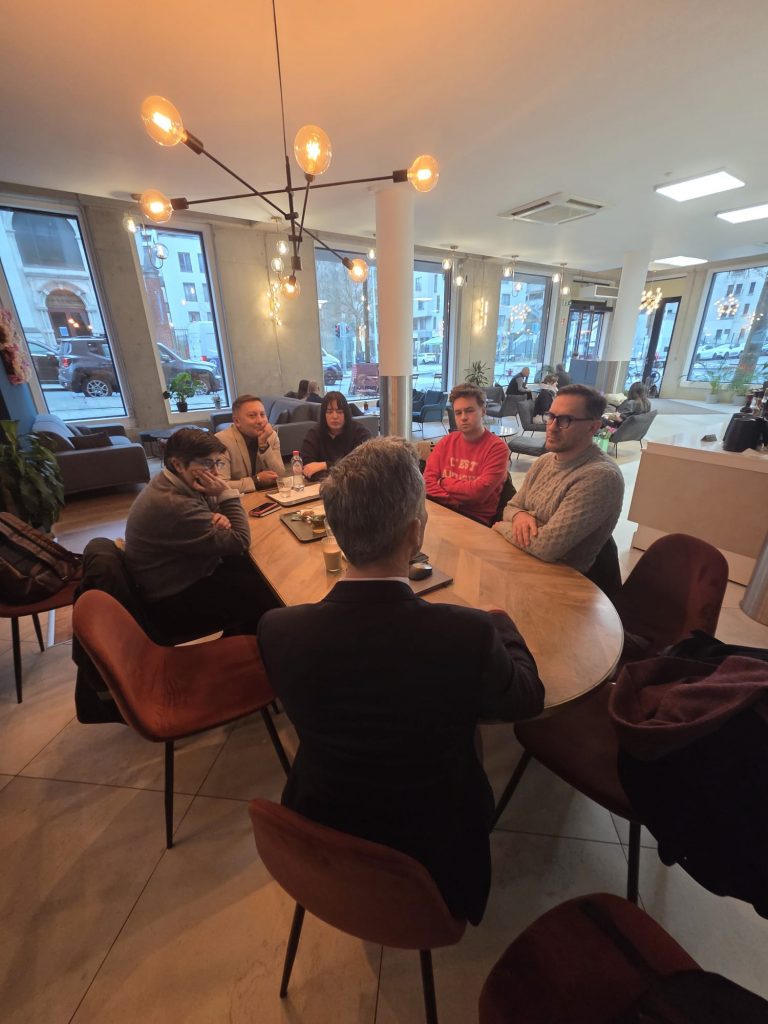
Our continent is entering a new paradigm of work. In a world that feels increasingly polarized, the question of how Europe remains a global powerhouse while maintaining its commitment to human rights is more urgent than ever. This February, EPBN represented by EDGE (Italy), L’Autre Cercle (France), Open For Business (UK), Network (Switzerland), Lithuanian Gay League (Lithuania), and Pride Business Forum (Czech Rep.), took to the heart of Europe to ensure that workplace equality is treated not just as a moral value, but as a strategic security and economic asset.
The Launch of PLANET EPBN
A central focus of the visit was the introduction of our new project, PLANET EPBN. This initiative serves as our roadmap for the coming year, designed to translate the needs of LGBTIQ+ professionals into concrete EU policy. We believe that security and inclusion in the economy should not be merely an administrative manual for businesses and a document of objectives for the European Union, but a fundamental organisational culture and a priority on the political agenda.
Building Alliances for Policy Change
Our first day was dedicated to aligning with key advocacy and monitoring bodies to ensure stronger equality mandates across the EU.
- ILGA-Europe: We met with Belinda Dear (Advocacy Director) to strengthen our shared push for legislative progress.
- Forbidden Colours: We discussed protecting our communities from the growing backlash against inclusion with Remy Bonny and Vincent Reillon.
- EQUINET: Conversations with Anne Gaspard, Tamas Kadar, and Marta Pompili focused on the ethical impact of AI at the workplace and improving the transition from education to employment for all.
Finding the Shared Pulse of Europe
Day two explored how workplace equality can serve as a medicine for social polarization.
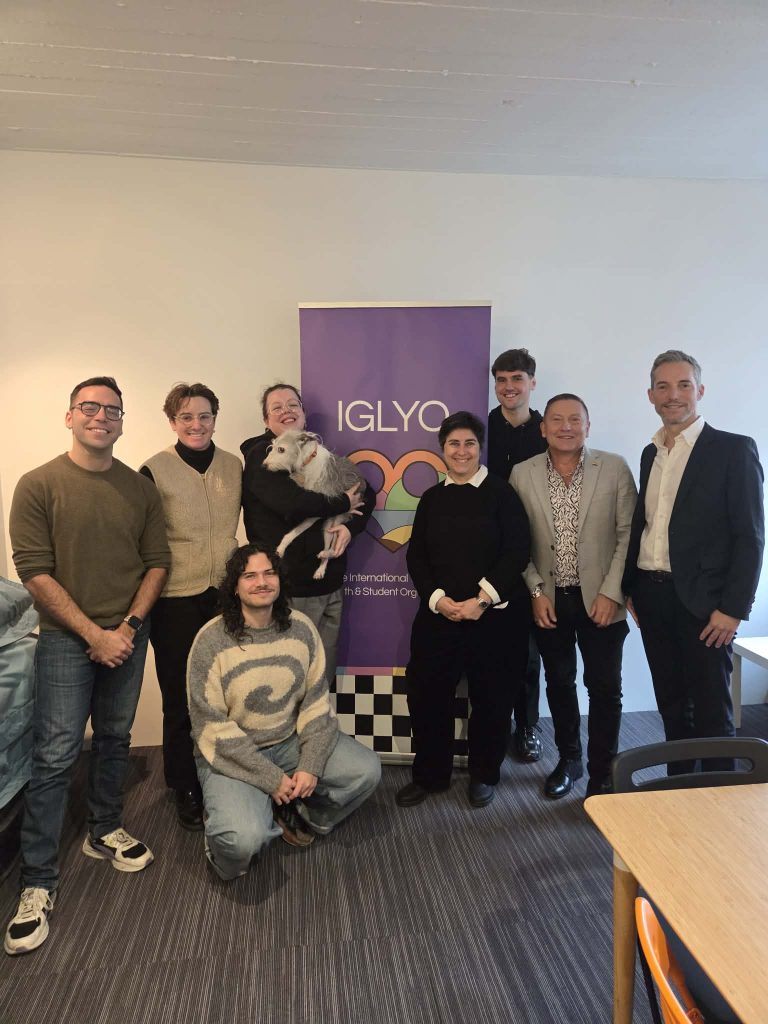
- IGLYO: We engaged with Ru Avila Rodriguez, Bella Fitzpatrick, and their staff on empowering the next generation of workplace inclusion pioneers.
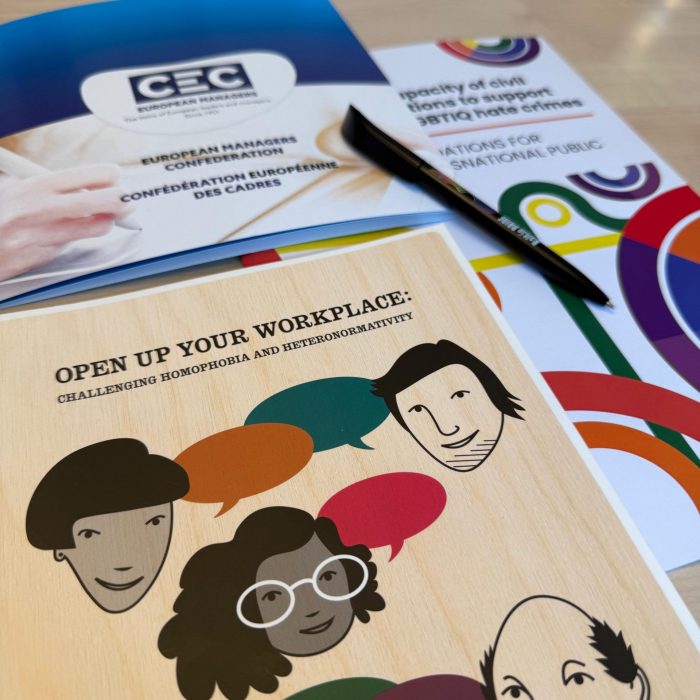
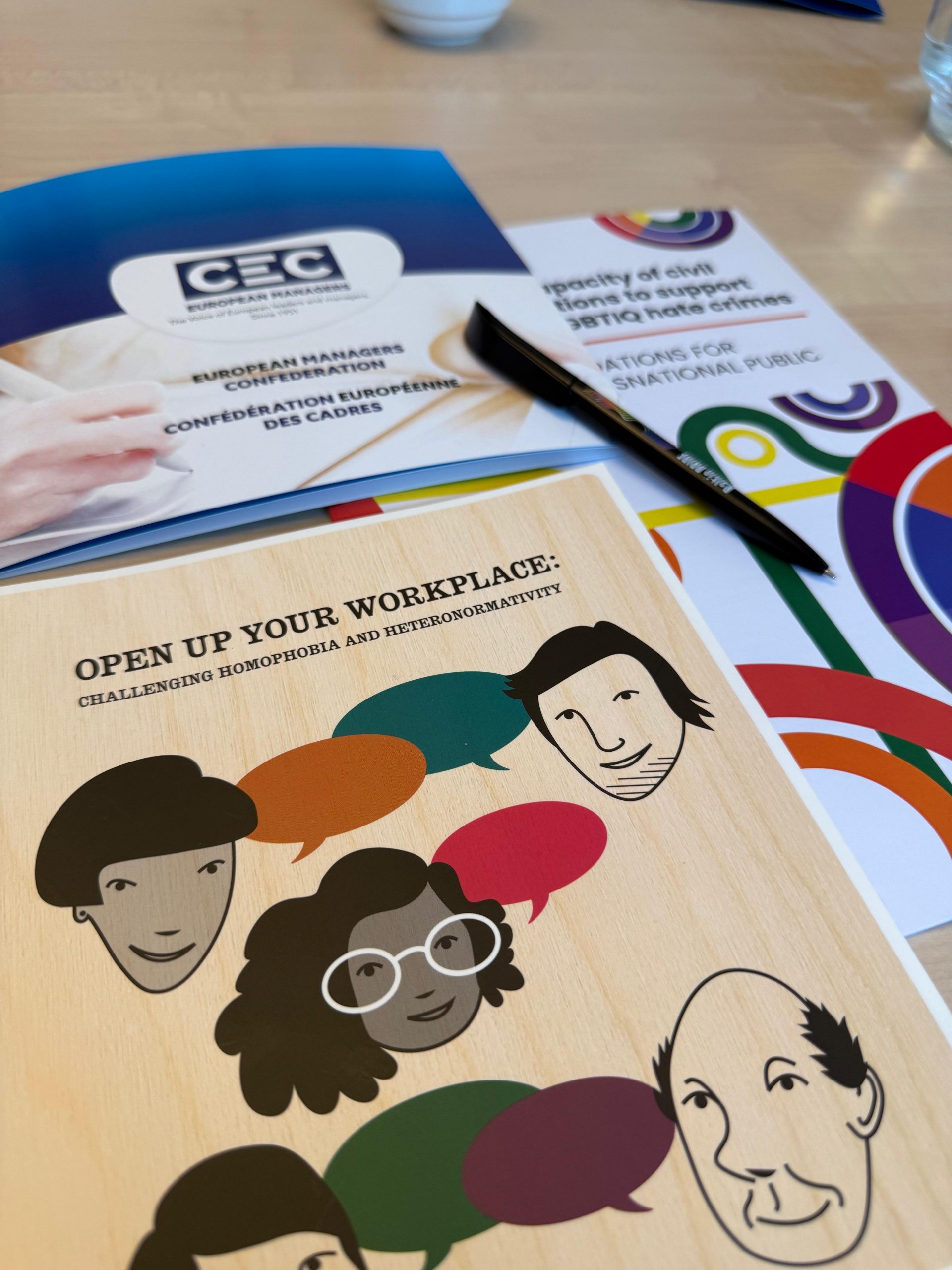
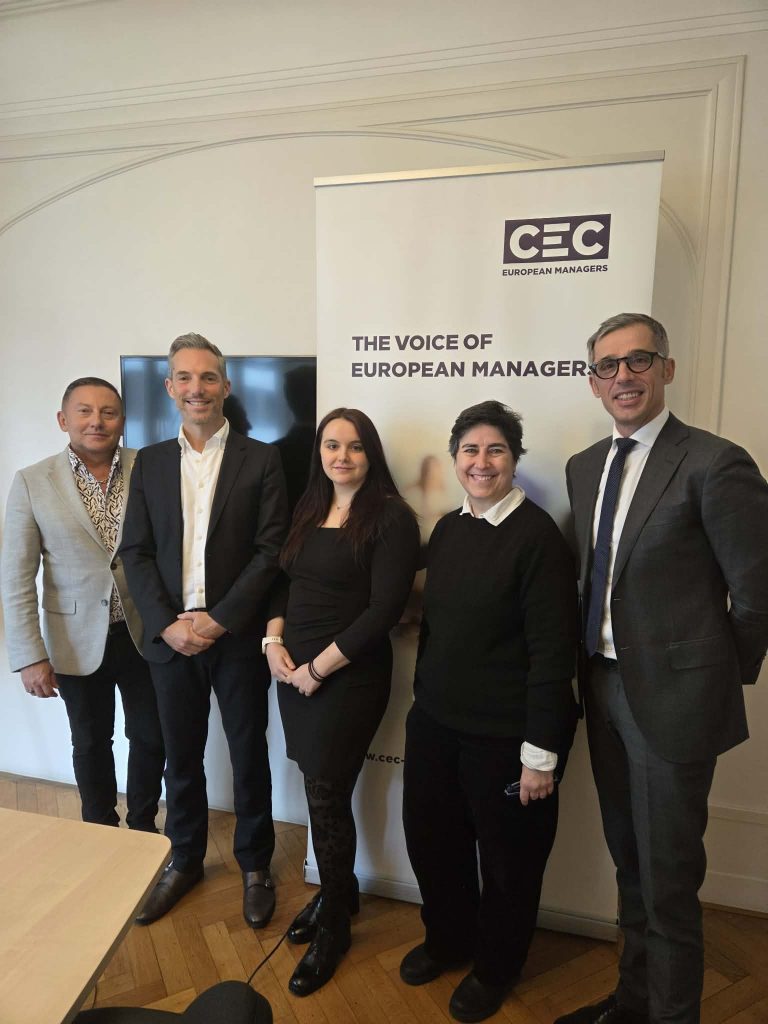
- CEC European Managers: Maxime Legrand joined us in affirming that fighting microaggressions and AI biases is essential for work ethics and safety.
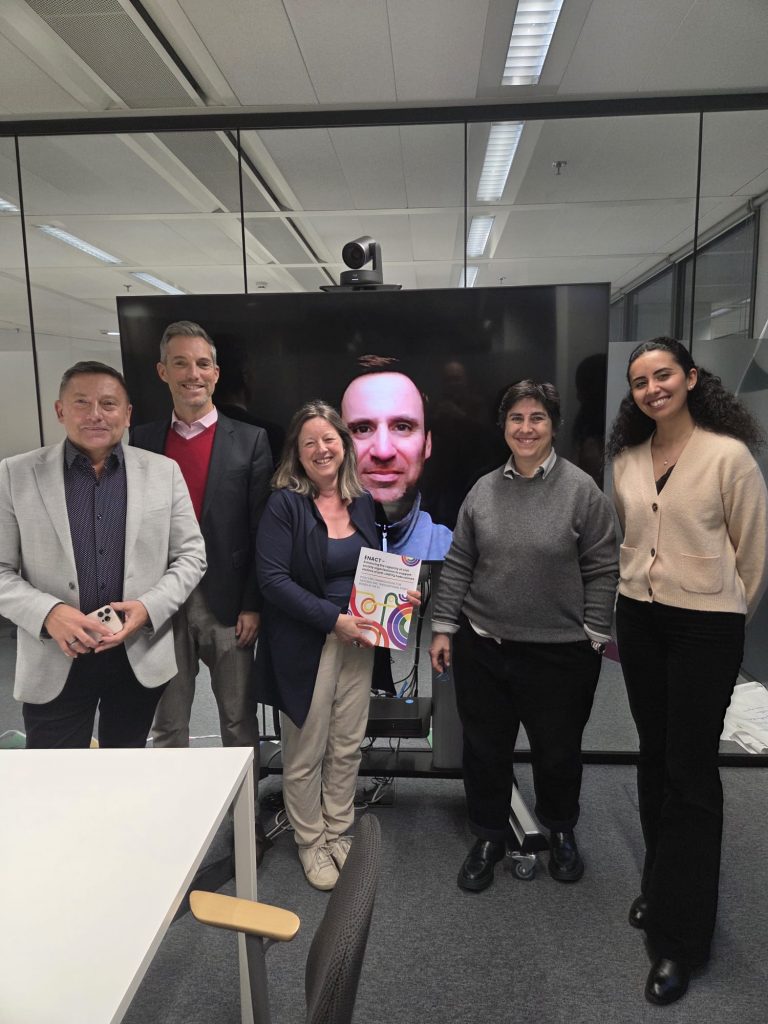
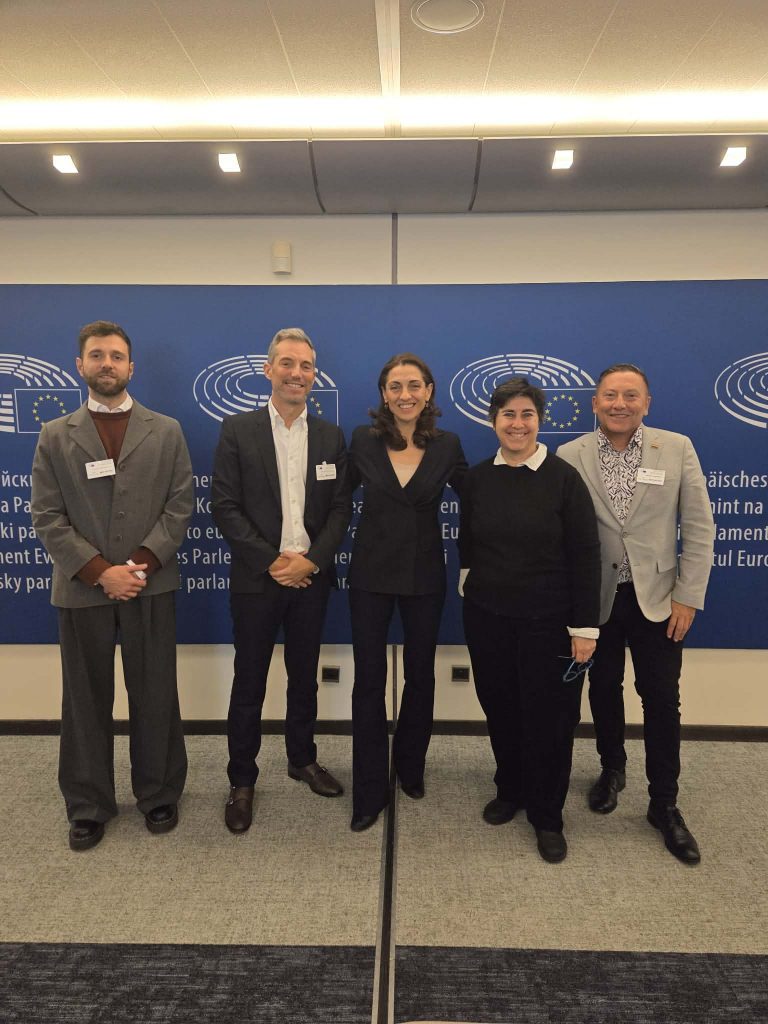
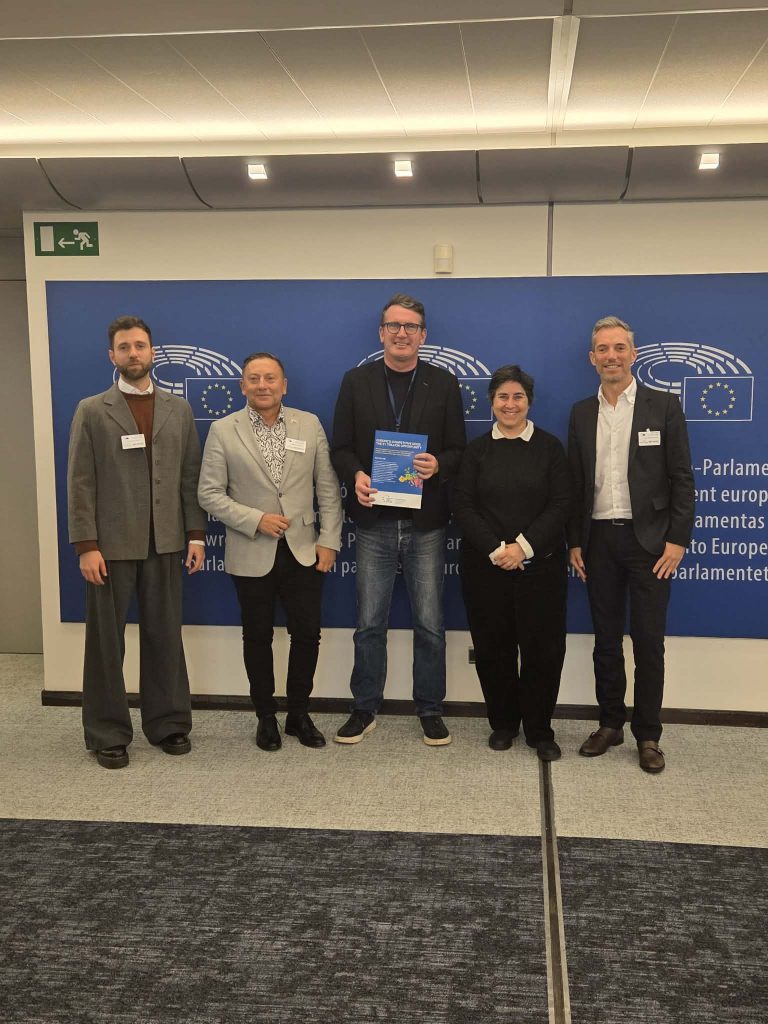
- European Parliament: We sat down with MEPs Irene Tinagli, Aodhán Ó Ríordáin, and Marc Angel (Co-chair of the LGBTQIA+ Intergroup) to ensure the European LGBTIQ+ Strategy 2026-2030 remains a priority for legislative action.
- Committee of the Regions: Kata Tutto provided a reality check on how local authorities and businesses can team up to maintain inclusive environments during divided times.
Final Reflections: A Global Strategic Asset
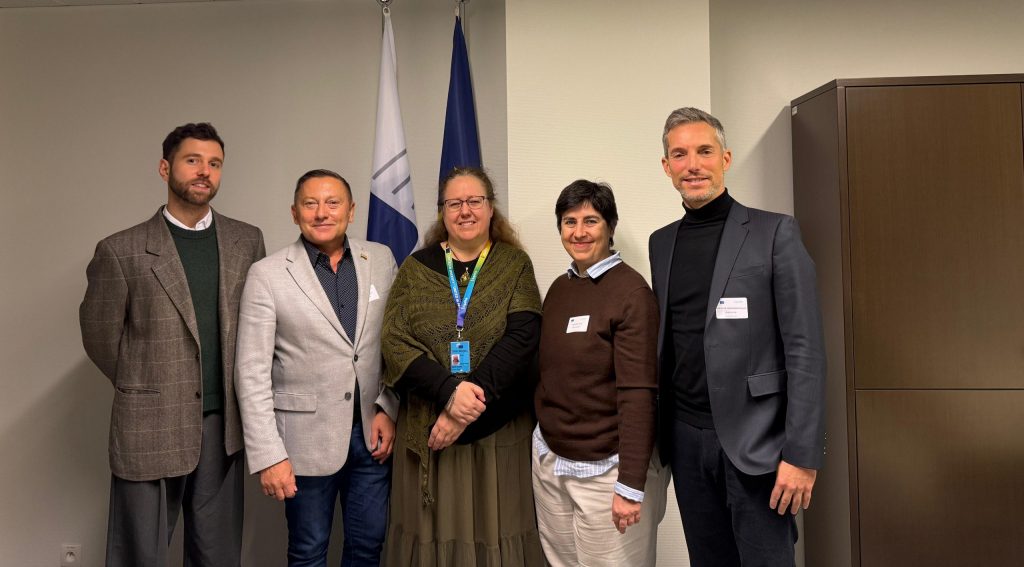
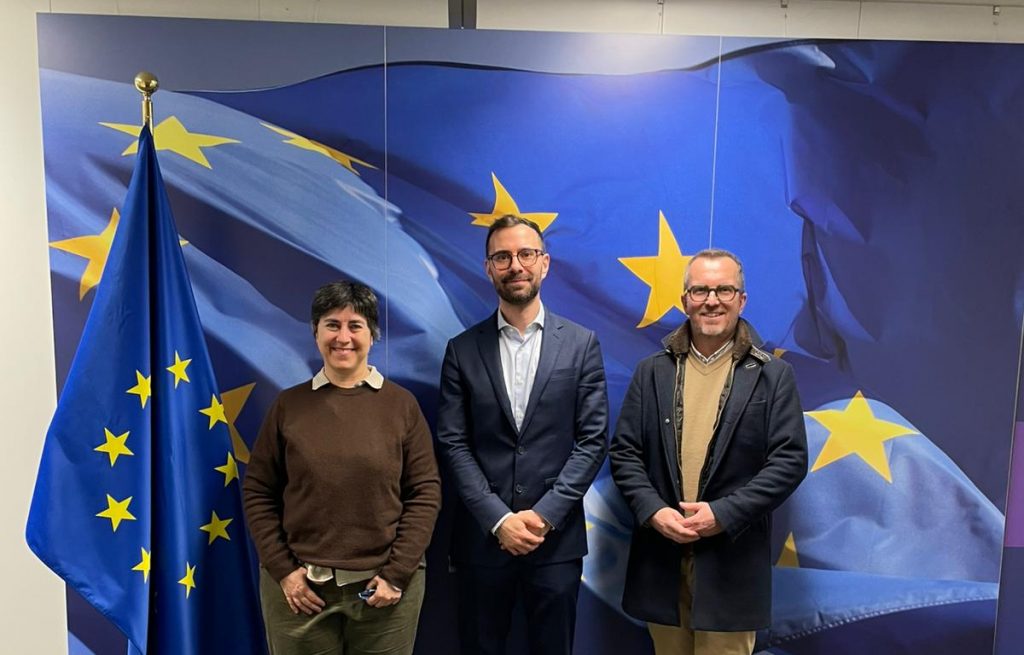
As we wrapped up our visit on day 3, the focus shifted to Europe’s external relations and corporate excellence.
- European Economic and Social Committee (EESC): Juliane Marie Neiiendam and Bartłomiej Bednarowicz offered an in-depth analysis of how economic forces drive anti-discrimination legislation.
- Cabinet of VP Roxana Minzatu: With Eva Schultz, we discussed the European Social Model, emphasizing that people’s well-being must remain at the heart of policy.
- European External Action Service (EEAS): Miguel Chambel and Symeon Keletzis explored the geostrategy of equality, noting that LGBTIQ+ rights are a pillar of Europe’s external relations and future enlargement.
- Toyota Motor Corporation: An exchange with their ERG Group proved that DEI is a powerful lever for organizational efficiency and competitive growth.
The Path Forward
The data is clear: diverse leadership increases success probability by 36%, and stronger rights drive higher GDP per capita. Workplace equality is the competitive edge Europe is looking for. We are heading home, but the work is just beginning. With the PLANET EPBN project, we are turning these high-level conversations into a safer, more inclusive reality for millions of workers.
Brussels, thank you for hosting us. Now, let’s make it happen.